

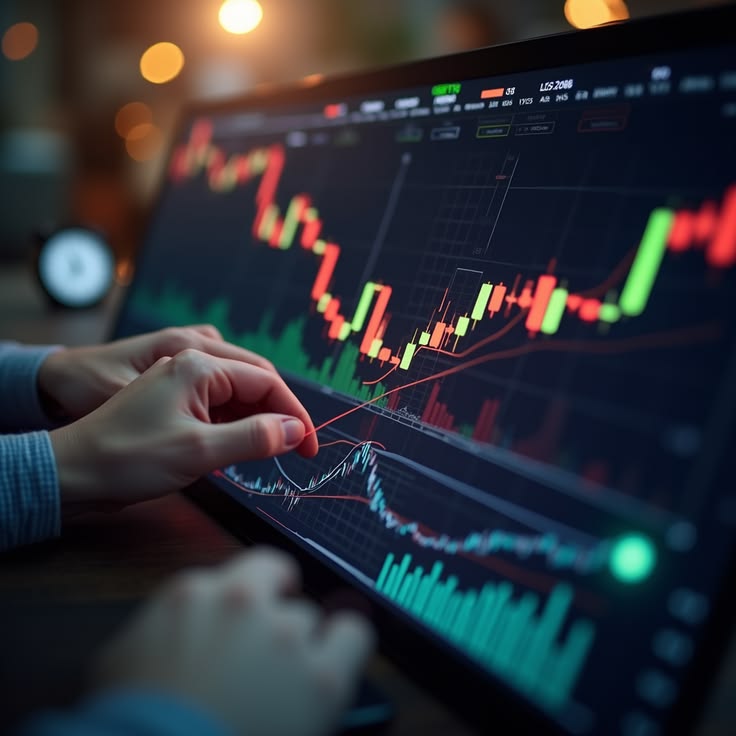
A currency market can remain technically open while trading activity becomes unusually quiet. This often happens during major public holidays when banks, financial institutions, and institutional traders in important financial centers reduce their activity. For traders using a forex app, these quieter periods can create unexpected conditions, including wider spreads, irregular price movements, and reduced liquidity. Understanding how public holidays influence currency markets is important because a low-activity session does not always mean a safer trading environment. Sometimes, the absence of major participants makes prices behave less predictably than usual.
When Financial Centers Take a Break
Forex markets connect participants from different countries, allowing trading activity to continue across international time zones. However, major financial centers contribute significantly to market liquidity. When banks and institutions in these regions close for public holidays, trading conditions can change.
For example, a US banking holiday may reduce activity in dollar-related markets even while European financial centers remain open. The impact depends on the holiday, currency pair, and number of active participants. Traders should not assume that ordinary weekday conditions will continue unchanged.
Why Lower Activity Can Create Problems
Liquidity describes how easily an instrument can be bought or sold without substantially affecting its market price. During major holidays, fewer participants may be available to provide quotations or absorb larger transactions, potentially making execution less predictable.
A forex trading trial can help learners observe historical holiday sessions and compare them with ordinary trading periods. Although simulated activity cannot guarantee identical live conditions, reviewing differences in spreads and price movements can reveal why quiet markets deserve particular attention.
The Surprising Relationship Between Volume and Volatility
Many beginners associate high trading volume with significant price movements. However, low-volume markets can also experience sudden fluctuations because fewer opposing orders may be available to absorb changes in buying or selling interest.
Imagine a relatively large order entering a thin market. With fewer participants providing liquidity, the transaction may influence available quotations more noticeably than during an active session. This explains why calm-looking markets can occasionally produce unexpected price changes.
Preparing for Major Trading Holidays
Holiday trading requires preparation because ordinary expectations about liquidity and transaction costs may not apply. A calendar showing international banking holidays can help traders identify sessions when market participation may be reduced.
Before entering a position, consider:
-
Which major financial centers are closed.
-
Whether the selected currency pair may experience reduced activity.
-
Current bid and ask spreads.
-
Upcoming economic announcements or political developments.
-
Available margin and existing position exposure.
-
The broker’s published holiday trading schedule.
These checks help establish a clearer picture of market conditions. However, they cannot predict exactly how prices will behave or guarantee that orders will execute at preferred levels.
Why Spreads May Become Wider
The spread represents the difference between buying and selling quotations. During quieter periods, liquidity providers may adjust their pricing to reflect reduced market participation and greater uncertainty about available trading interest.
A wider spread increases the cost of entering or exiting certain positions. This can be especially noticeable for strategies targeting relatively small price movements. Traders should therefore examine current quotations rather than assuming the advertised minimum spread is always available.
Holiday Sessions Are Not Identical
Different holidays affect financial markets in different ways. Christmas Day, New Year’s Day, US Thanksgiving, and regional banking holidays can produce distinct patterns depending on which institutions remain active.
Some sessions may experience extremely limited activity, while others continue with moderate participation. Currency pairs connected to the affected region may respond differently from unrelated instruments. Understanding the holiday’s geographical significance helps traders interpret unusual market behavior more accurately.
Why Pending Orders Need Attention
A pending order may remain active while market conditions change. If liquidity becomes limited or prices move unexpectedly, traders might encounter execution conditions different from those anticipated when the instruction was originally placed.
Reviewing outstanding orders before a holiday can help identify instructions that no longer match the intended strategy. Traders should understand expiration settings, execution policies, and applicable trading restrictions rather than assuming orders will remain appropriate indefinitely.
Learning From Previous Holiday Sessions
Historical charts provide opportunities to compare holiday periods with ordinary trading sessions. Traders can examine price ranges, available quotations, and the frequency of sudden movements across several examples.
However, one quiet holiday does not prove that future holidays will behave similarly. Market conditions evolve, and unexpected international developments can influence currencies regardless of scheduled closures. Historical observations should support risk awareness rather than encourage mechanical trading decisions.
Conclusion
Public holidays demonstrate that continuous forex market access does not guarantee consistent trading conditions. Reduced institutional participation can influence liquidity, spreads, and execution even when currency charts appear relatively calm. Traders researching BtcDana.com can examine its published trading schedules and instrument conditions when preparing for these periods. The important lesson is that lower market activity does not automatically mean lower financial risk. Understanding which financial centers are closed and how liquidity may change provides useful context before entering positions during unusually quiet sessions.